
Schema Markup for Service Businesses: The Blocks That Actually Move the Needle
Schema markup is one of the highest-leverage technical SEO wins available to a local service business — and one of the most commonly skipped. Done honestly, it earns rich results, sharpens local relevance, and feeds AI search the facts you want it to repeat.
What schema actually does
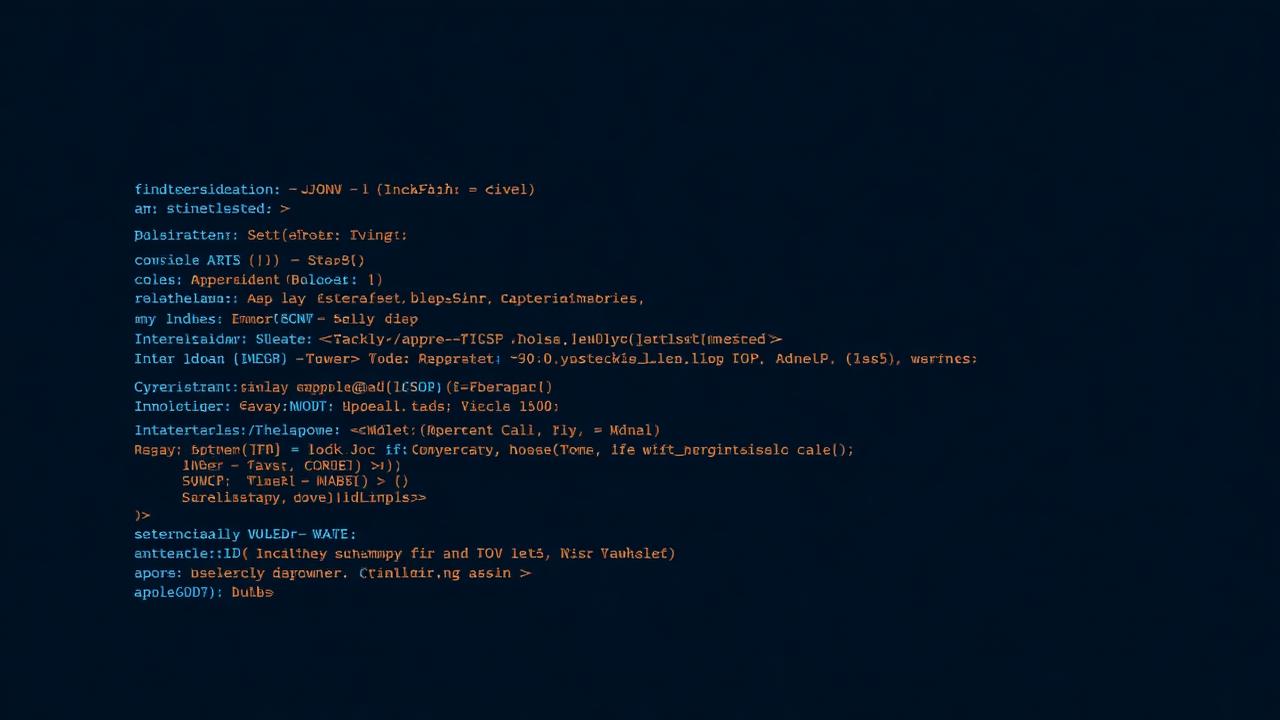
Schema markup is structured data — JSON-LD blocks dropped into your page's HTML that tell search engines, in unambiguous machine terms, what the page is about. It doesn't change what users see directly. It changes what Google, Bing and AI search products see, and that changes how they treat your pages.
Concretely, well-implemented schema unlocks rich results (star ratings, FAQ accordions, pricing in the SERP), strengthens local pack relevance, helps Google build your knowledge panel, and gives LLMs a clean factual layer to cite from. The work is small. The leverage is large.
The four schema blocks every service business needs
Most schema guides try to cover every Schema.org type. For a service business, you only really need four — and most sites are missing at least three.
- LocalBusiness (or the right sub-type — Plumber, Dentist, Electrician, Restaurant) on your homepage and contact page. Include name, address, phone, hours, areaServed, geo coordinates, sameAs links to your social profiles, and priceRange.
- Service schema on each individual service page. Name, description, provider (referencing your LocalBusiness), areaServed, and offers. This is the block that puts service-specific pages into the conversation for high-intent queries.
- FAQPage on any page with a meaningful FAQ section. Earns the accordion-style rich result and is one of the most reliably cited schema types in AI Overviews.
- Review or AggregateRating where it's true, earned and verifiable. Misused, this gets you penalised. Used honestly, it puts stars next to your result and lifts CTR materially.
The blocks you can usually skip
BreadcrumbList is nice-to-have. Article schema matters for blog posts but not most service pages. Organization is fine on the homepage but often redundant when you have LocalBusiness. WebSite is useful primarily for sitelinks search box.
Don't add schema for the sake of it. Each block should be true, complete, and tied to content actually on the page. Empty or misleading schema is worse than no schema.
Implementation that doesn't go sideways
Use JSON-LD, not microdata or RDFa. Place the script in the <head> or just before </body>. Validate every block in Google's Rich Results Test before shipping. Cross-check that the data in the schema matches the data on the page exactly — different phone numbers between your visible content and your schema will damage trust signals.
If you use a CMS, prefer schema generation tied to your content model (where the address, hours, services live in structured fields), not free-text plugins that let editors hand-type the wrong thing. The schema should be a projection of your data, not a separate copy.
How schema feeds AI search
ChatGPT, Perplexity and Gemini all parse structured data when they retrieve a page. Clean schema dramatically increases the likelihood the model will quote your business name, hours, services or reviews correctly in an AI answer — and reduces the chance it invents or pulls the wrong facts from a third-party directory.
If you've ever asked an AI assistant about your own business and watched it return wrong opening hours or a competitor's reviews, that's a structured data problem. Fix it at the source.
The risk: dishonest schema
Schema is one of the easier ways to earn a manual action if you misuse it. Inventing reviews, marking up content that isn't on the page, or using FAQPage for non-FAQ content all get flagged. Google has gotten faster at catching it, and the penalty is severe and slow to lift.
The rule is simple: schema must reflect what's truly on the page. Implemented honestly, it's one of the cheapest, highest-leverage technical SEO wins available — and one of the few that compounds across Google rankings, local pack, rich results and AI citations all at once.
Frequently asked questions
Does schema markup directly improve rankings?
Not as a direct ranking factor in most cases, but it improves how your pages are understood and displayed — which lifts click-through rate, rich result eligibility, local relevance and AI citation likelihood. The downstream effect on traffic and conversion is significant.
Can I add schema to a WordPress site without code?
Yes, with plugins like Rank Math or Yoast, though plugin-generated schema can be limited or generic. For service businesses, a hand-crafted JSON-LD block tied to your real content usually outperforms plugin output.
Will fake reviews in schema get me penalised?
Yes. Google can and does issue manual actions for misleading structured data, particularly fake reviews and ratings. Only mark up reviews you've genuinely earned through real customer experiences.